
Flood Aftermath Moisture Mapping in Downers Grove
Flood aftermath moisture mapping Downers Grove IL homeowners book with us when the water is gone but the walls still feel damp. We find hidden wet drywall and insulation after storm flooding, so you dry what needs drying and keep what does not. Visits start at $250. Call or text us at (630) 780-4025.
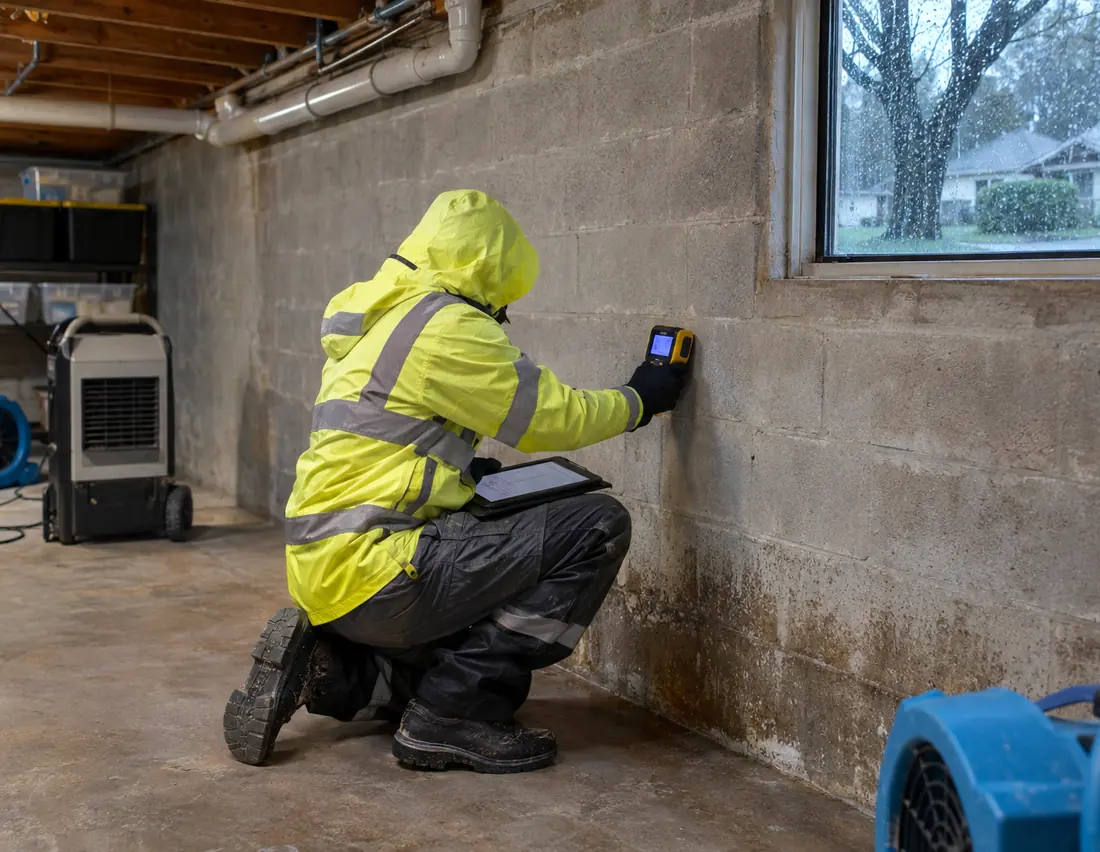
Flood Water Gone but the Walls Still Wet?
Flood aftermath moisture mapping in Downers Grove IL is the service we perform after a basement or ground floor has taken on water. Once the standing water is pumped out and the floor is mopped, moisture remains in drywall, insulation, framing, subfloors and carpet padding. If it stays, mold can start within a couple of days. Our technicians scan every wall and floor with moisture meters and a thermal camera, mark the wet areas and show you exactly how far the water went. You get a map and photos you can share with a drying contractor or an insurer.
A flash flood hit on August 12, 2025, and a heavy storm on July 4, 2026 dropped about 6 inches of rain in Darien. The Village does not pump out basements after flooding, so homeowners handle cleanup on their own. We have been mapping flood moisture in Downers Grove homes for more than 10 years.
Moisture Mapping After a Flood
Everything below is included in the visit price.
Moisture Meter Scan
We scan walls, floors and baseboards in a grid and record each reading.
Thermal Imaging
A thermal camera shows wet areas as cool patches, even behind paint.
Wall Cavity Check
We check inside walls with probes through small openings, when needed.
Subfloor and Slab Check
We check the subfloor and slab for moisture that carpet hides.
Moisture Map and Sketch
We draw a sketch of the basement with the wet zones marked.
Written Report With Photos
You receive photos and a plain statement of what is wet and what is dry.
Post Flood Situations We Map
Basement Flooded From Heavy Rain
- What you notice: Standing water that is now gone.
- What we usually find: Wet drywall up to a certain height and damp insulation.
Sewer Backup
- What you notice: Water at the floor drain and a smell.
- What we usually find: Wet flooring and contaminated materials.
Water Heater or Pipe Burst
- What you notice: A sudden flood and a long cleanup.
- What we usually find: Moisture in walls and subfloor beyond the visible area.
Finished Basement After Storm
- What you notice: Carpet that feels damp.
- What we usually find: Wet padding and drywall behind the baseboards.
Mapping Moisture Room by Room
Our visit follows four steps.
- You call or text us: Tell us when the flood happened and what has been done since.
- We pick a window with you: We offer the earliest slot.
- We map the moisture: We scan, probe and photograph.
- We send your map: You receive photos, readings and next steps.
Moisture Map With Photos
- A sketch of each room: Wet and dry areas marked.
- Readings: Numbers for each zone.
- Photos: Thermal and standard.
- Drying guidance: What to remove and what can dry.
What Clients Say About Flood Aftermath Moisture Mapping
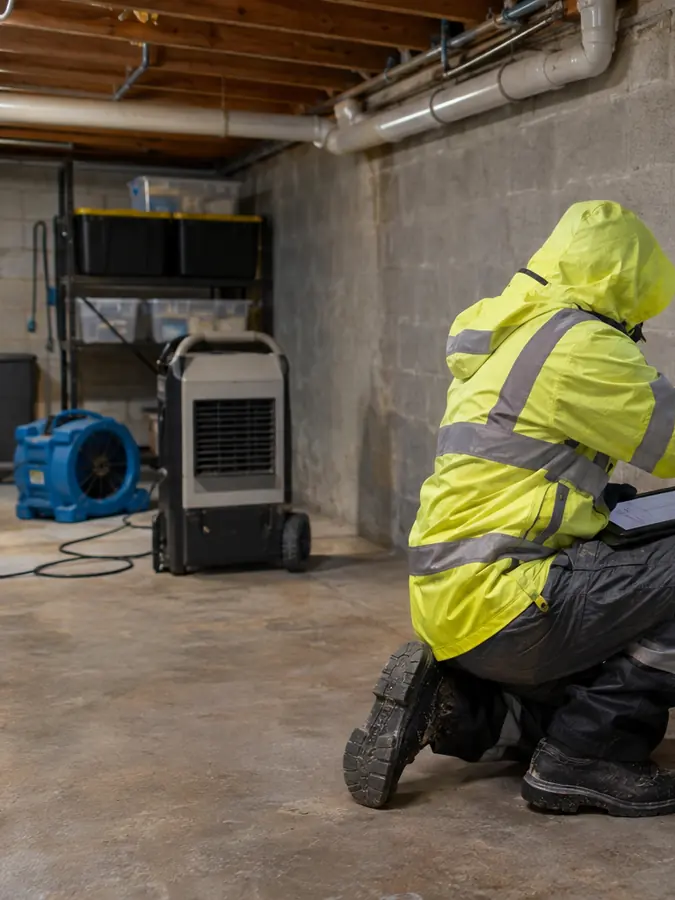 Before
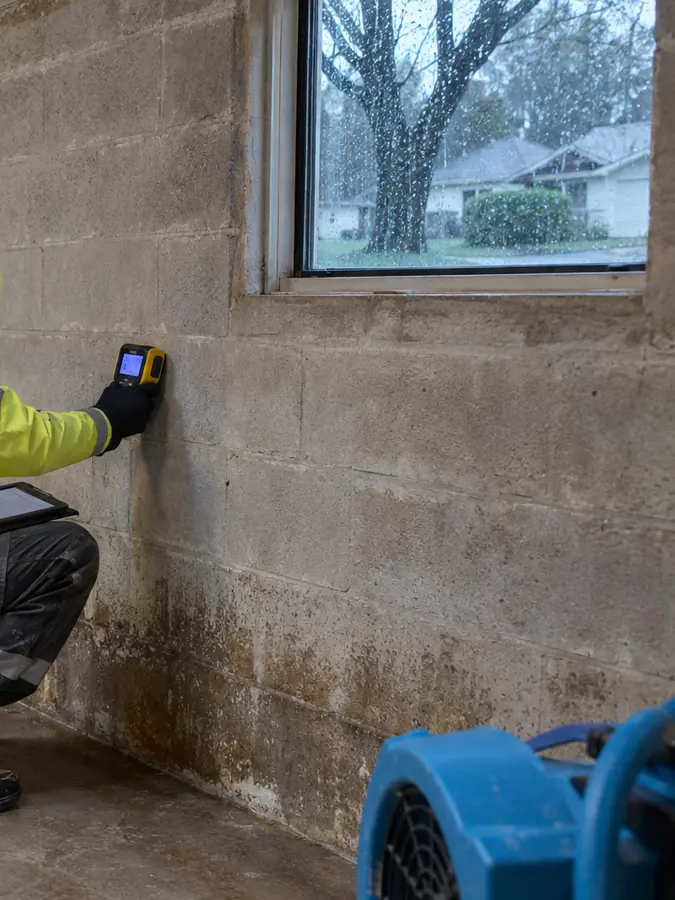 After
Verified Non-Invasive Leak Pinpointing (Flood Aftermath Moisture Mapping)
Every flood aftermath moisture mapping visit includes surface marking and a dated written report with photos or video before any repair begins.
Budgeting for Flood Aftermath Moisture Mapping
Flood aftermath moisture mapping costs $250 to $500 in Downers Grove. We give you the exact price before we start.
| Situation | Our price |
|---|---|
| One room | $250 to $325 |
| Whole basement | $325 to $425 |
| Whole floor or multiple levels | $425 to $500 |
Drying and Claim Next Steps
Dry in Place
- Best for: Areas with low readings.
- What it involves: Fans and dehumidifiers.
Remove and Replace
- Best for: Soaked drywall or insulation.
- What it involves: Cutting out and replacing wet materials.
Document for Insurance
- Best for: Covered losses.
- What it involves: Sharing our report with your insurer.
Why Homeowners Choose Our Team for Flood Mapping
What to Do While You Wait
- Run fans and a dehumidifier.
- Remove wet items.
- Photograph everything.
- Do not seal walls until they are dry.
What to Expect on the Day
Our technician arrives with meters and a thermal camera. We scan every wall and floor. Most visits take two to three hours. We explain the findings and give you a map.
Quick Checks Before We Arrive
- Note the high water mark: A line on the wall shows how high the water reached.
- List what has already been removed: Carpet, padding and baseboards change what we can scan.
- Check the sump: Make sure it is running so water does not return.
- Keep fans running until we arrive: Drying should not stop for our visit.
- Gather photos from the day of the flood: They show the depth and the source of the water.
- Set aside damaged items for the insurer: Do not discard them before documenting.
Why Hidden Moisture Matters After a Flood
Flood water does not just wet the surface. It wicks up drywall, soaks into the bottom plate of walls, fills insulation like a sponge and sinks into carpet padding and subfloors. Paint and wallpaper can look dry while the material behind is wet. Mold can begin in 24 to 48 hours in warm, damp conditions, and it grows in the places you cannot see.
The Village does not pump out basements after flooding. That leaves you with a cleanup that can drag on, and a drying plan that depends on knowing exactly where the wet spots are. A moisture map saves money in two ways: it shows you what you can safely dry in place, and it keeps you from tearing out walls that are fine.
What Counts as Wet and What Counts as Dry
| Material | Typical dry reading | When to worry |
|---|---|---|
| Drywall | Low and steady | Readings that stay high after several days |
| Wood framing | Low to moderate | Readings above normal after fans have run |
| Concrete slab | Varies, often damp | Wet spots that spread or return |
| Carpet pad | Dry to the touch | Any lasting dampness |
| Insulation | Dry and fluffy | Heavy or sagging material |
We compare readings against a dry reference area in your own home, because normal readings vary with the material and the season. After a few days of drying, we can return and recheck the map to see whether things are improving. Many homeowners find that a second visit is the proof their contractor or insurer wants to see.
A Typical Drying Timeline
Every flood is different, but a basic timeline helps you plan.
- Day 1 to 2: Remove standing water, wet carpet and padding. Start fans and dehumidifiers.
- Day 3: Map moisture. We find wet drywall, wet framing and damp slab zones.
- Day 4 to 7: Remove materials that will not dry. Keep drying equipment running.
- Day 7 to 10: Recheck the map. Readings should fall steadily.
- After that: Rebuild once readings match your dry reference.
If readings stall, something is still feeding moisture, such as a leak, seepage or a damp slab. We can help you find it, which is where our other basement services come in.
What Insurers Often Ask For
- Photos taken soon after the event.
- Moisture readings with dates.
- A statement of what was affected.
- Proof of drying progress.
We do not give coverage advice, and your adjuster is the right person to ask about your policy. Our report is built so you can send it along without rewriting it.
Flood Aftermath Moisture Mapping FAQ
How Do You Map Moisture After a Flood?
We scan with meters and a thermal camera and probe walls.
How Much Does It Cost?
Most visits cost $250 to $500.
How Soon Should I Call?
As soon as the water is gone, because mold can start in a few days.
Will It Help My Insurance Claim?
Our report gives you readings and photos to share.
Can You Tell if Mold Has Started?
We do not test for mold, but moisture that stays high for several days is the condition mold needs. If you see or smell mold, we recommend a mold professional.
Do I Need to Tear Out the Drywall?
Not necessarily. Drywall that reads dry may be fine, and drywall that reads wet after drying often has to come out. The map shows you which is which.
Related Leak Detection Services & Local Coverage for Flood Aftermath Moisture Mapping
Explore related non-invasive leak detection services and nearby DuPage County service areas:
Reviewed by Leak Detection Downers Grove Field Specialists (10+ Years DuPage County Experience) — Non-invasive acoustic listening, thermal imaging, moisture mapping, tracer gas, and sewer camera procedures verified for Downers Grove and DuPage County homes and businesses. Learn more about our leak detection team or request a free quote.
Service Dispatch Map: Flood Aftermath Moisture Mapping
Dispatched from 5050 Thatcher Rd, Downers Grove, IL 60515 across Downers Grove and DuPage County, IL. Call or text (630) 780-4025 for your quote.